
What are brain breaks?
How to organize your brain breaks
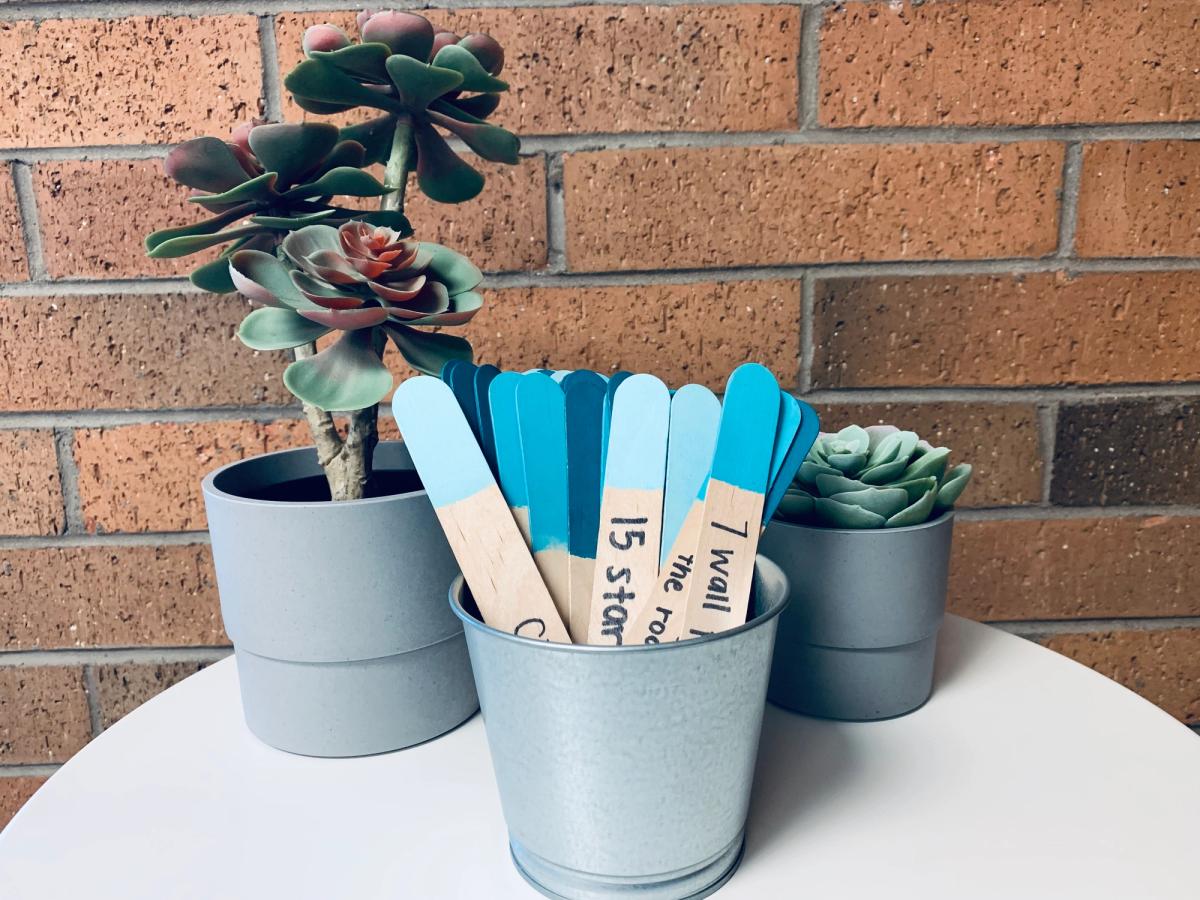
1. Write down ideas on Popsicle sticks, ping pong balls, flash cards, etc. This way, you can randomly select a brain break whenever you need one.
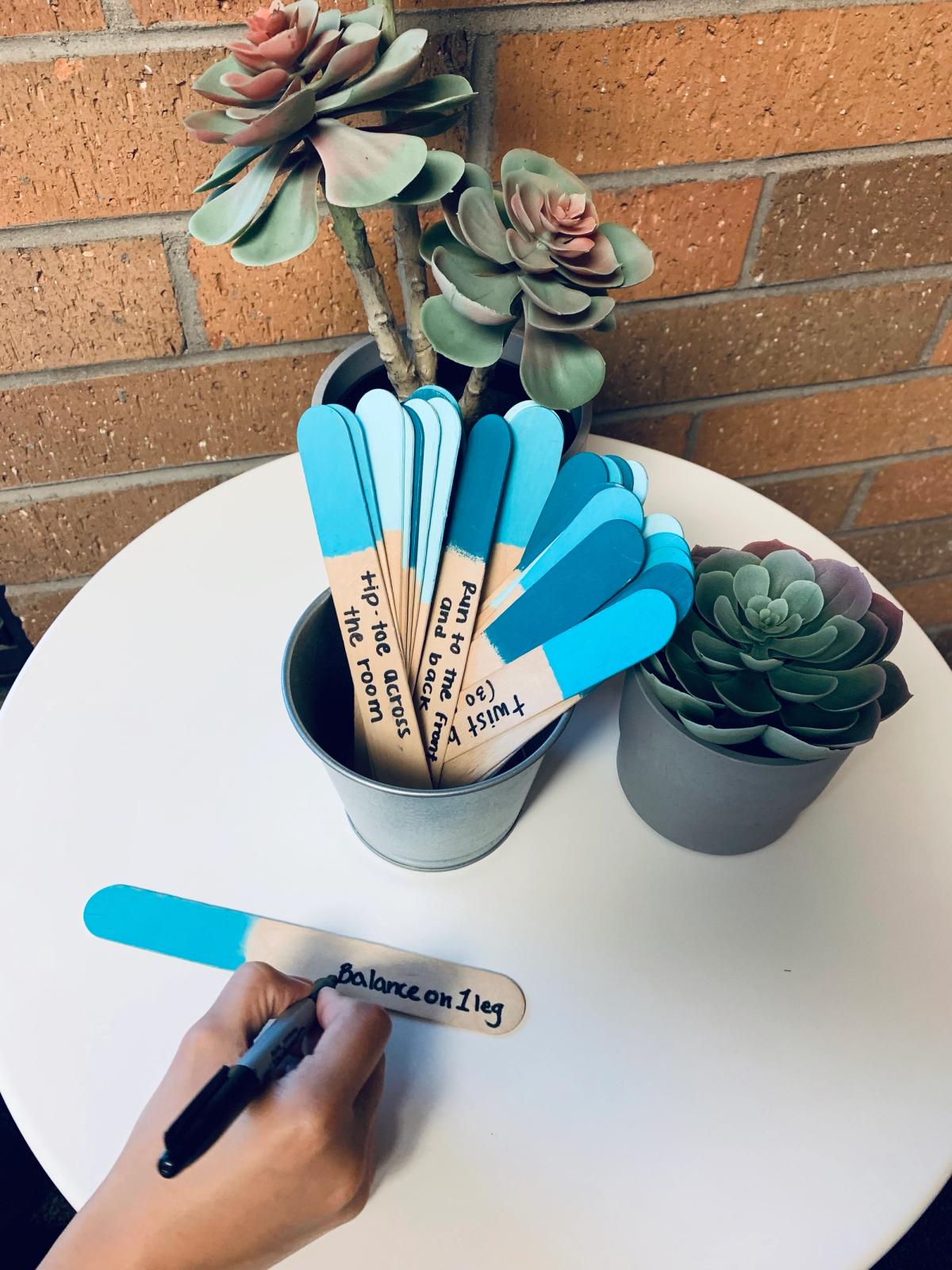
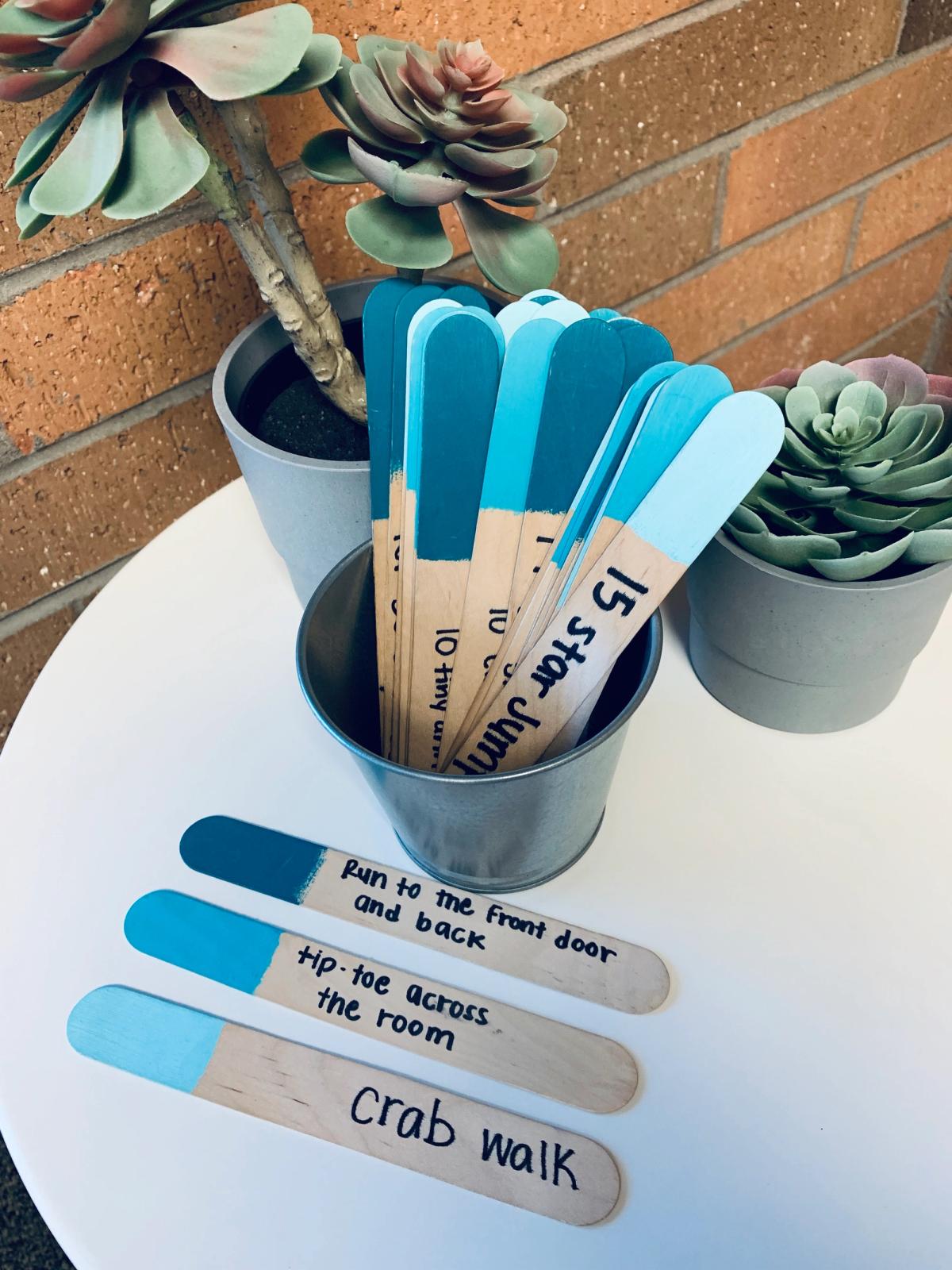
2. Pinterest has lots of ideas if you need help getting creative. The more variety - the better!
3. Decorate however you like to match your space. This is a fun addition to your classroom or home decor!
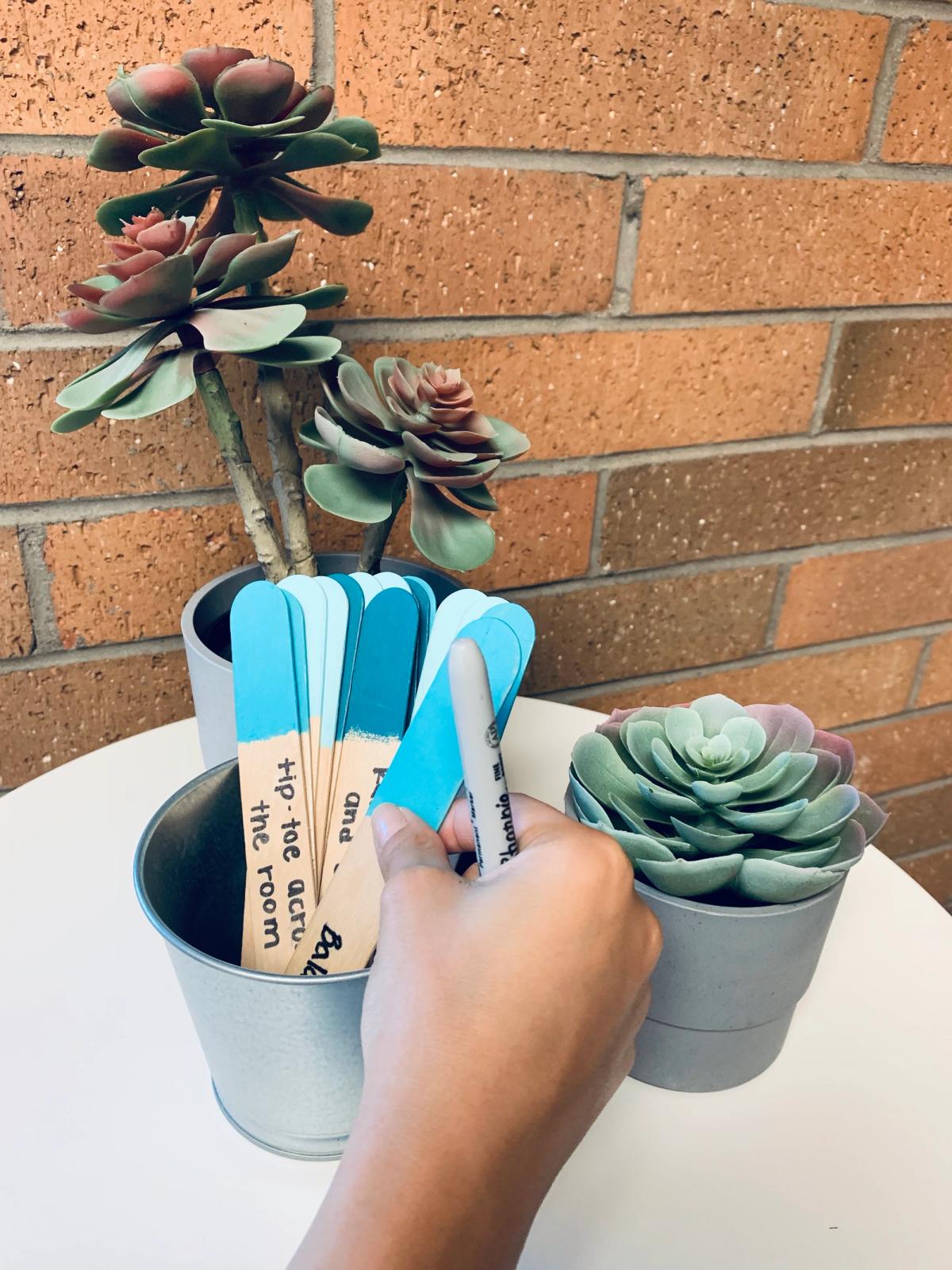
4. Place your items in a container of your choice and you're done! Pro tip: writing a time limit or number of sets can add structure and make activities even more fun.
When should you use brain breaks?
Using brain breaks to start the day helps set a positive atmosphere in the classroom by energizing students. Silly or fun activities can make students laugh and engage with one another, creating a sense of community in the classroom. Taking a couple of minutes to do a brain break before a test is also beneficial because it prompts students to breathe and relax instead of focusing on feeling nervous or anxious.
When your child is at home, brain breaks are useful during homework time or while working on long projects. An easy way to motivate your student to finish their homework is to have a set amount of time for working, breaking it up into chunks, and doing a brain break during each transition. This makes a hard job seem much more manageable and enjoyable, for children and adults alike.
Age-specific brain break activities
Depending on your students' age, brain breaks can range from high intensity exercises to taking a few moments to meditate or listen to music. The younger the child, the more likely they are to enjoy physical activities, while older students may prefer time to sit and decompress before moving on to the next task.
For students aged 5-10, you may choose to jump rope, do a hop scotch, or play a quick game of "Simon Says." Older students may prefer a drawing activity, trying some yoga poses, or a game of "Minute to Win it." Explore a variety of ideas and see what works best for your students.
Don't forget, at any age, setting rules and expectations for how tasks will work is important in managing behavior. Brain breaks are a privilege and there will still be work to get done after the break is over. Good luck, and have fun!